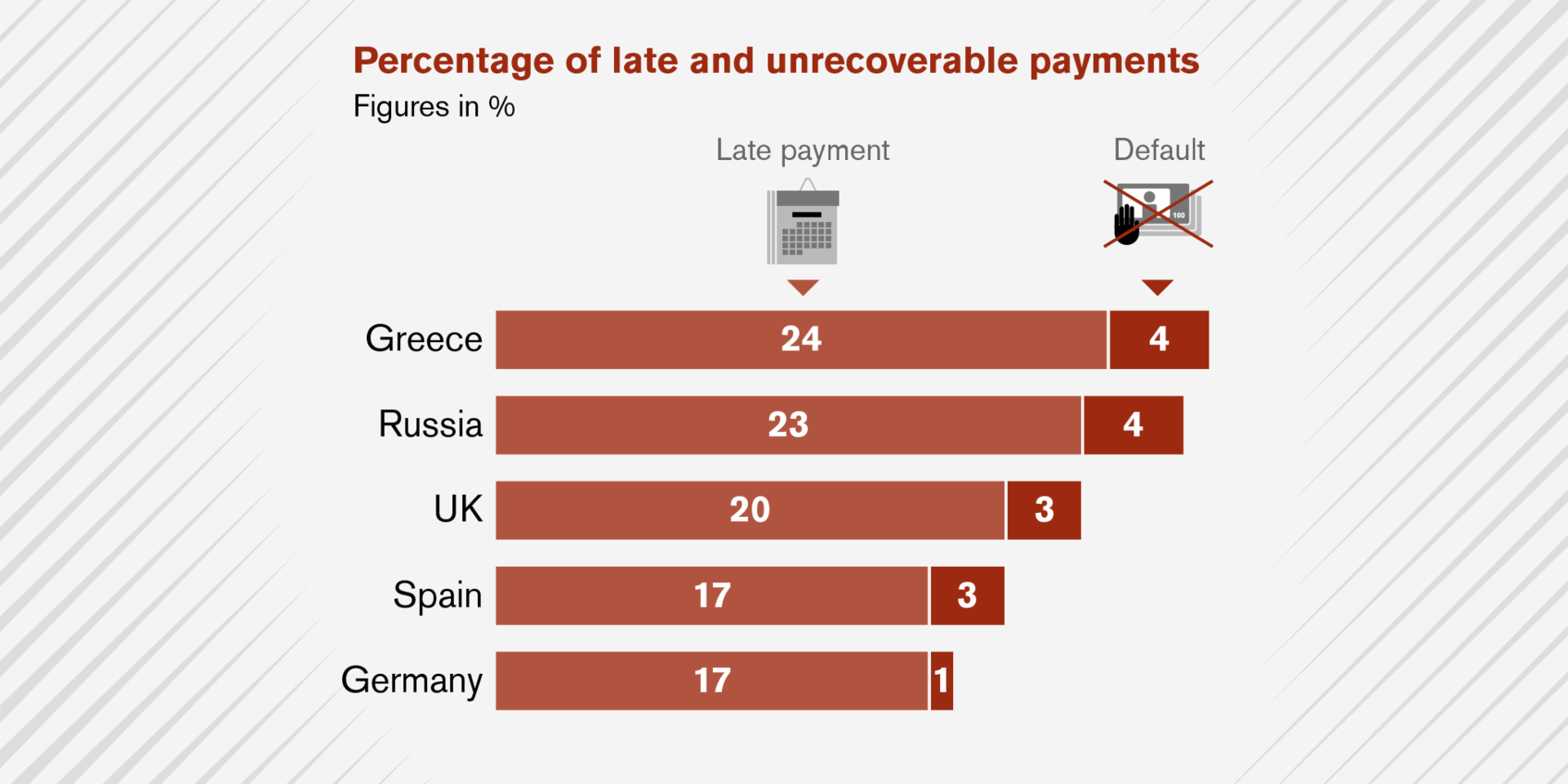
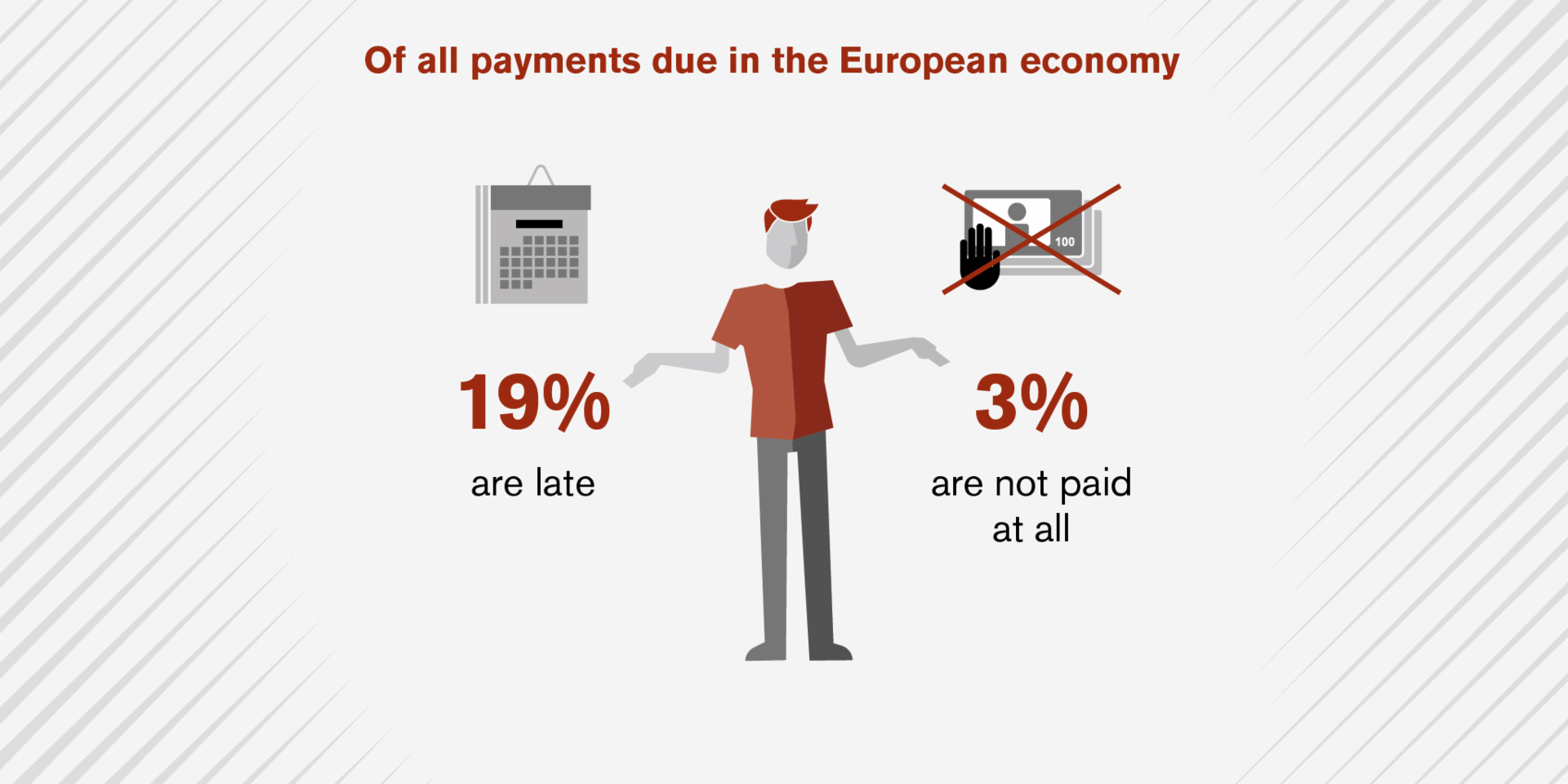
Compared with previous years, the percentage of late or unrecoverable payments is almost unchanged: In Western Europe every fifth invoice, and in Eastern Europe every fourth invoice, is not paid within the set payment term. Across Europe, the percentage of punctual payments has only risen marginally by one percentage point from 77 to 78%
Although the percentage of actual payment defaults in Western Europe is at the same level as the previous year (3%), some countries in Eastern Europe like Greece, Slovakia and Hungary are seeing a reduction in payment defaults.
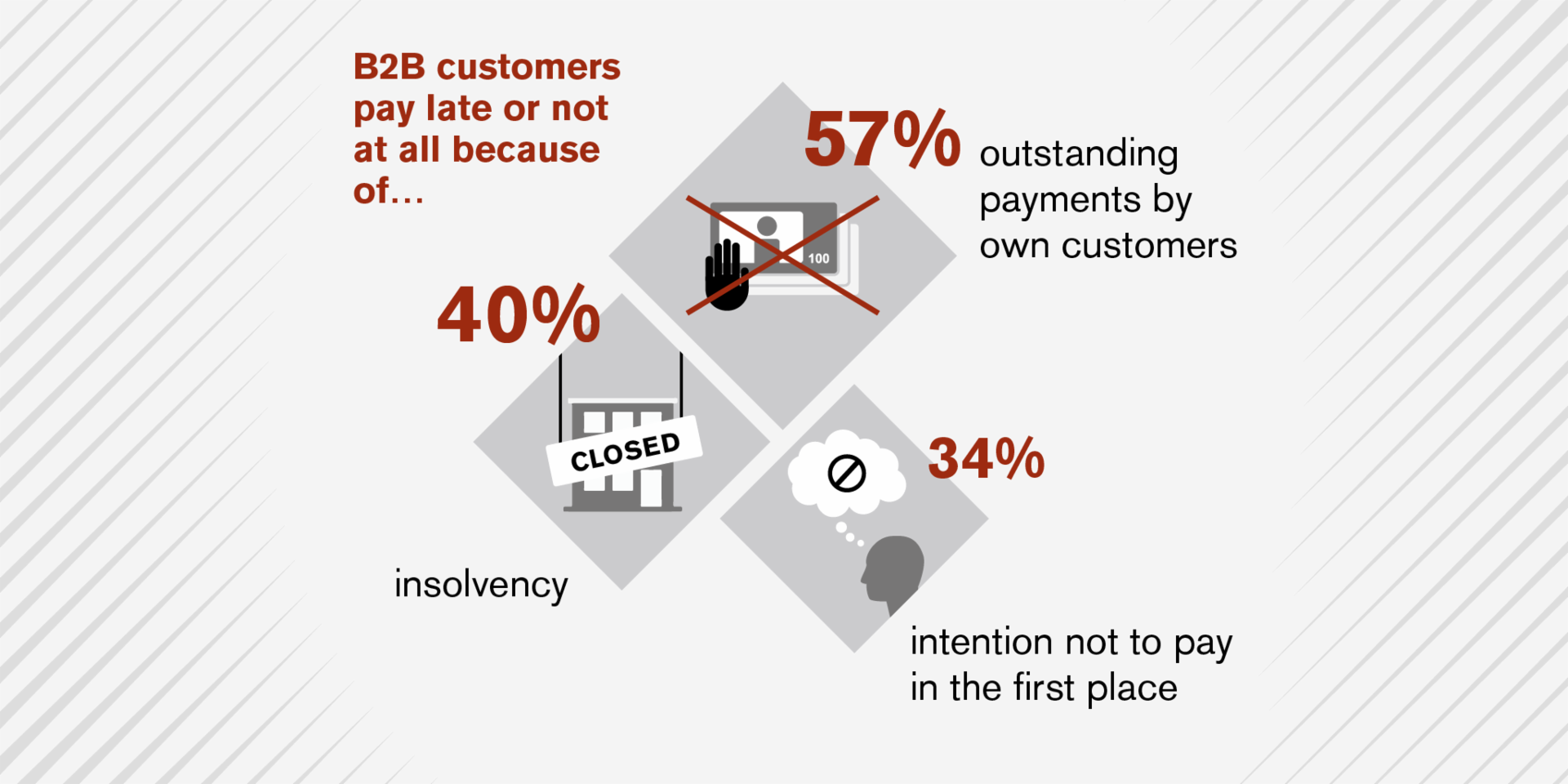
In the B2B segment, companies cite payment defaults by their own customers as the main reason for payment delays. Only German and Austrian companies regard the extended use of supplier credits as the main reason for payment delays.
The percentage of payment defaults remains constant at 3% for Western Europe and 4% for Eastern Europe, while at the same time the percentage of on-time payments is increasing.
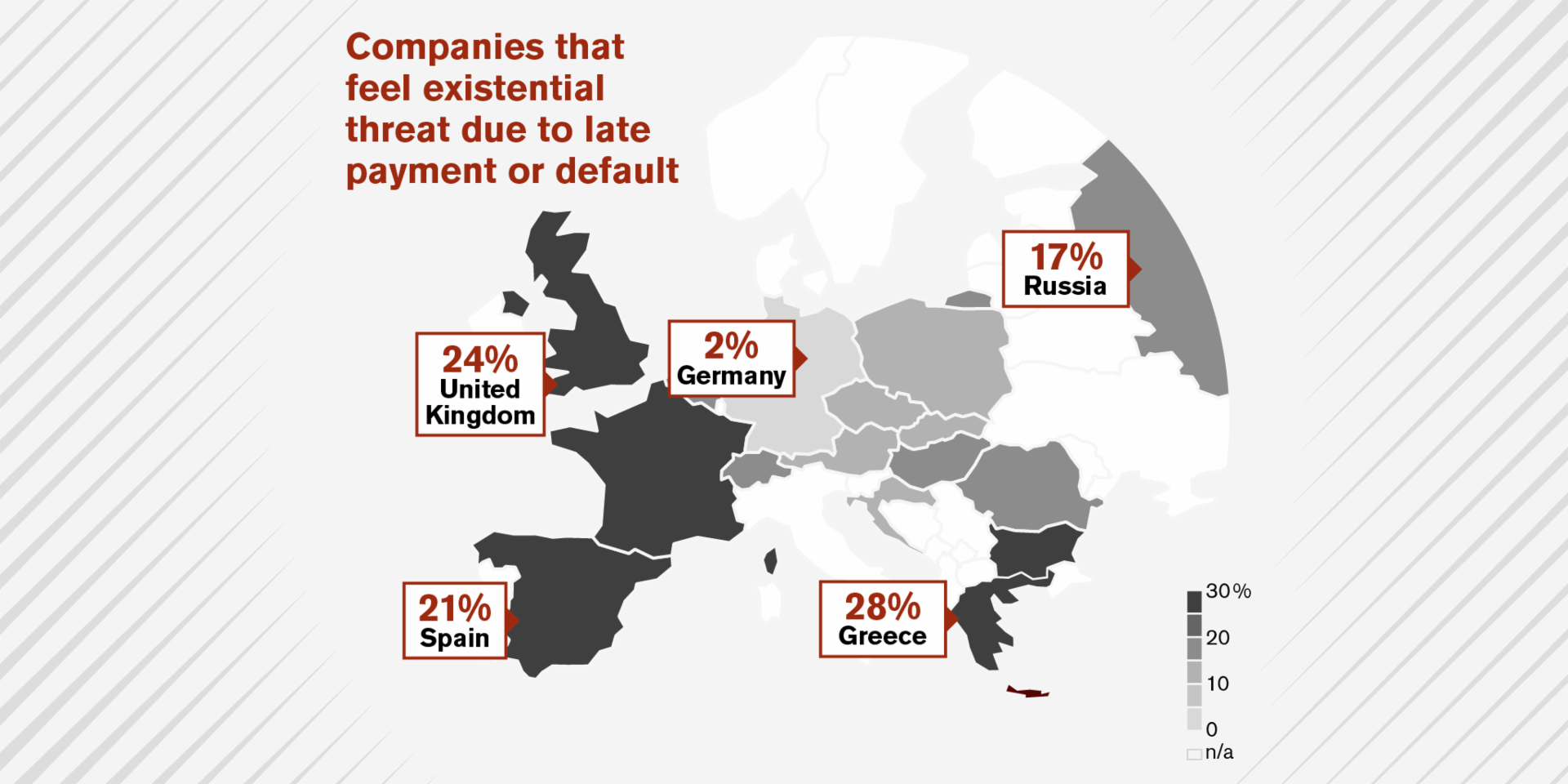
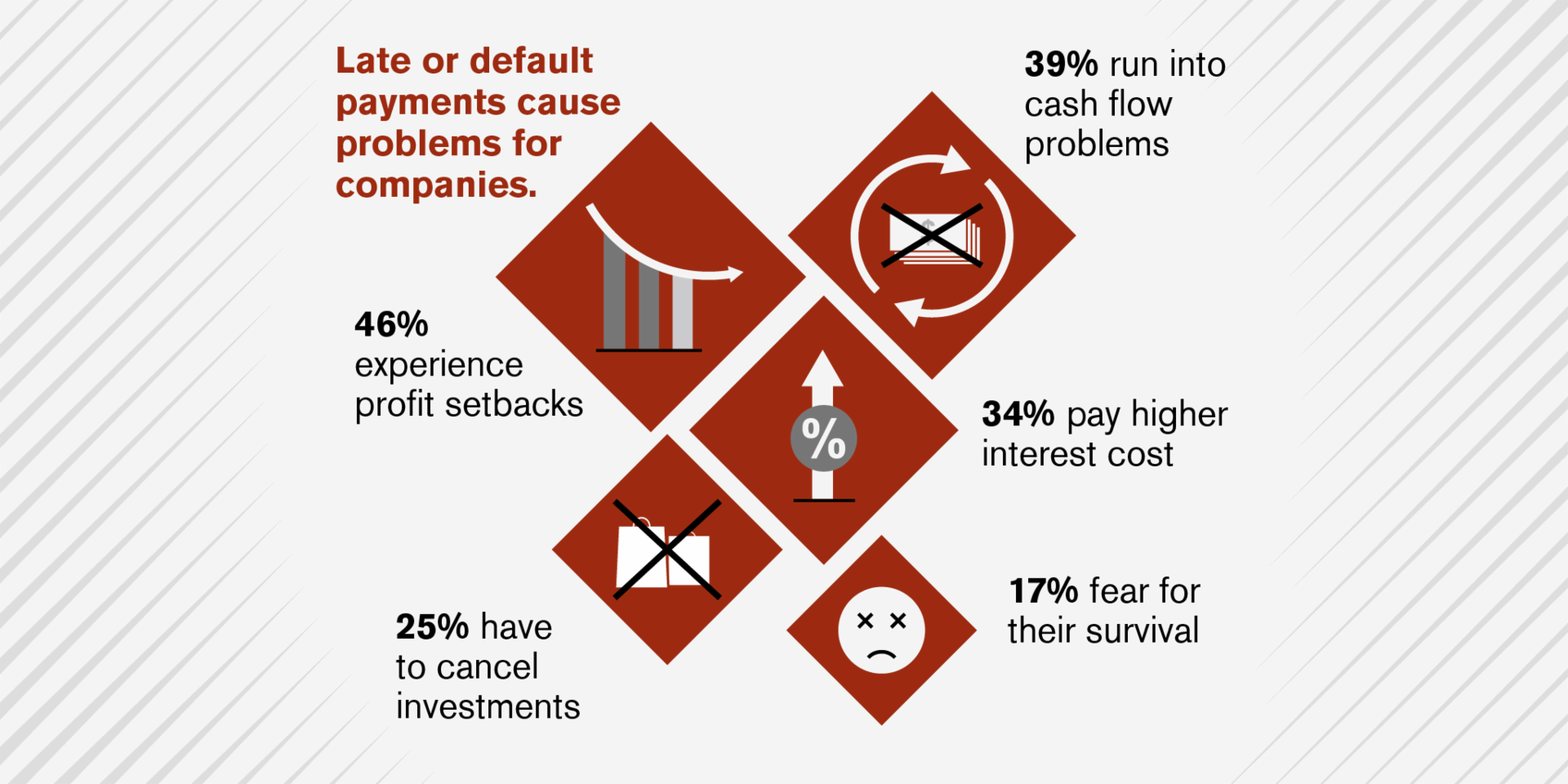
Every second company in Eastern Europe and four out of ten companies in Western Europe are struggling with profit setbacks due to payment delays. Noticeable consequences of payment delays for companies are above all cash flow problems and higher interest payments. However, cash flow issues and profit setbacks due to payment delays also have a direct impact on the company's growth potential. At least every fourth company is dispensing with investments, while every fifth is responding to payment delays with price increases and a restrictive hiring policy.
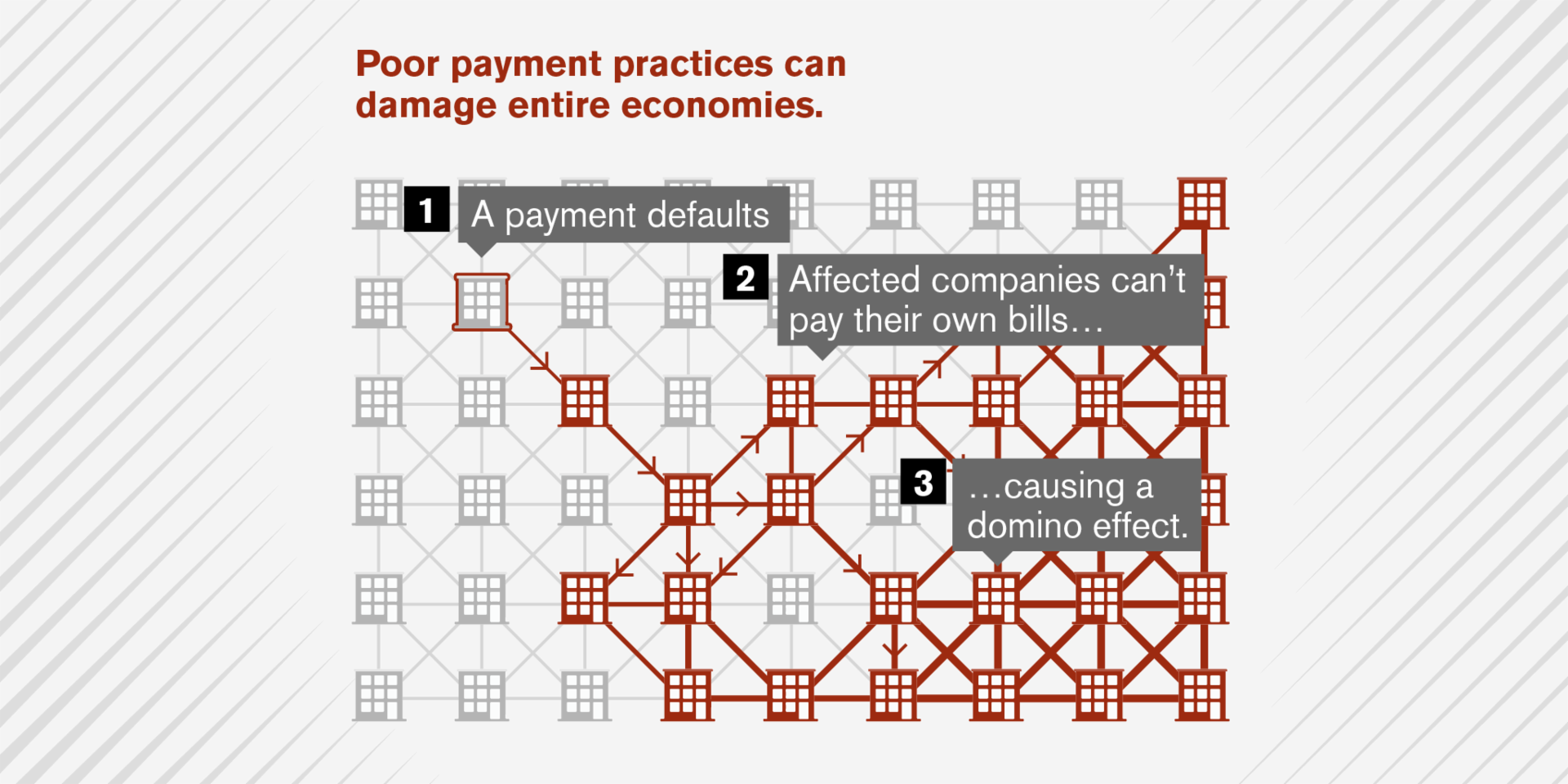
Most B2B customers cite payment defaults by their own customers as the main reasons for paying late or not all. Thus, poor payment practices can trigger a kind of domino effect throughout economies.
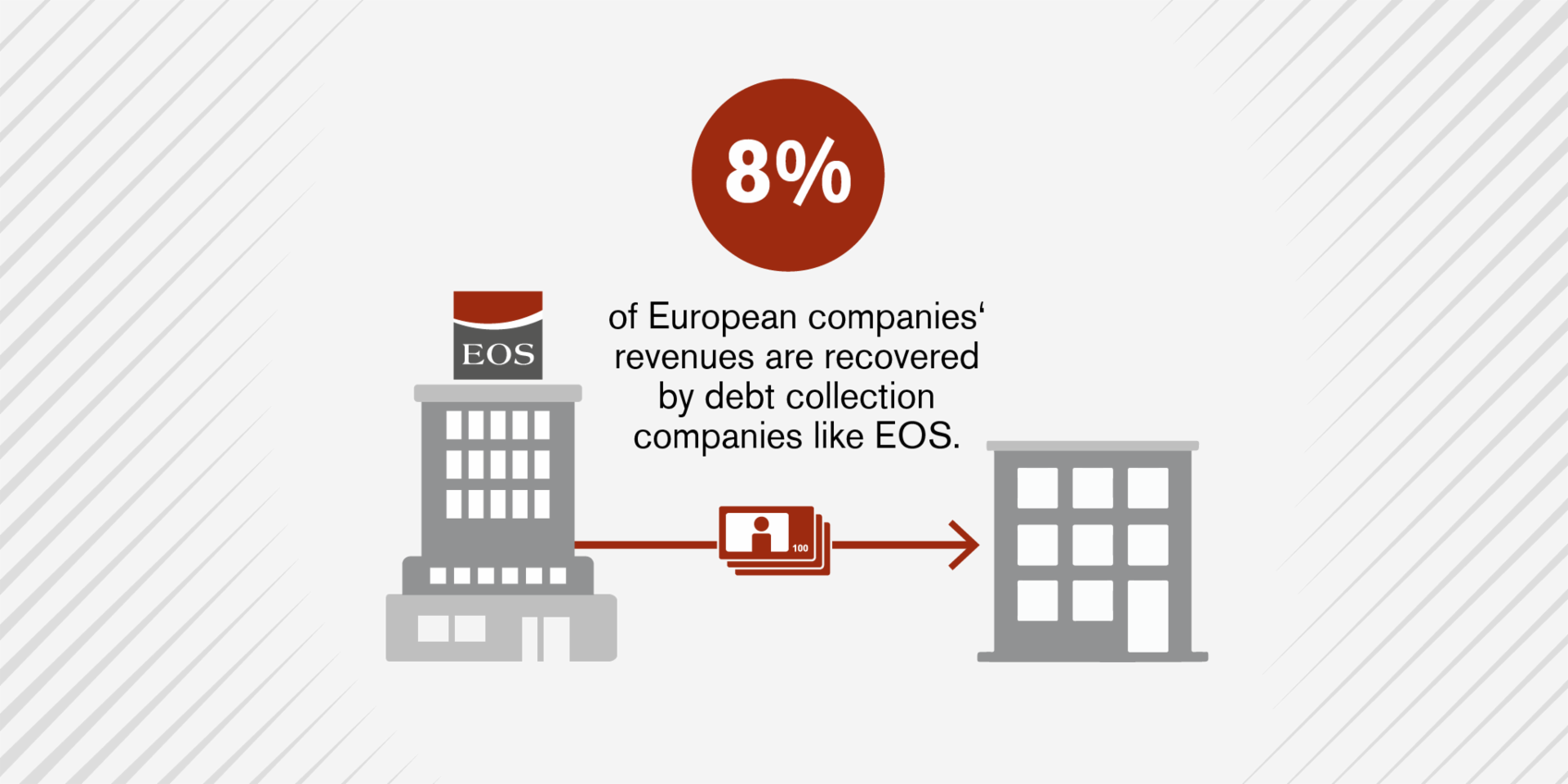
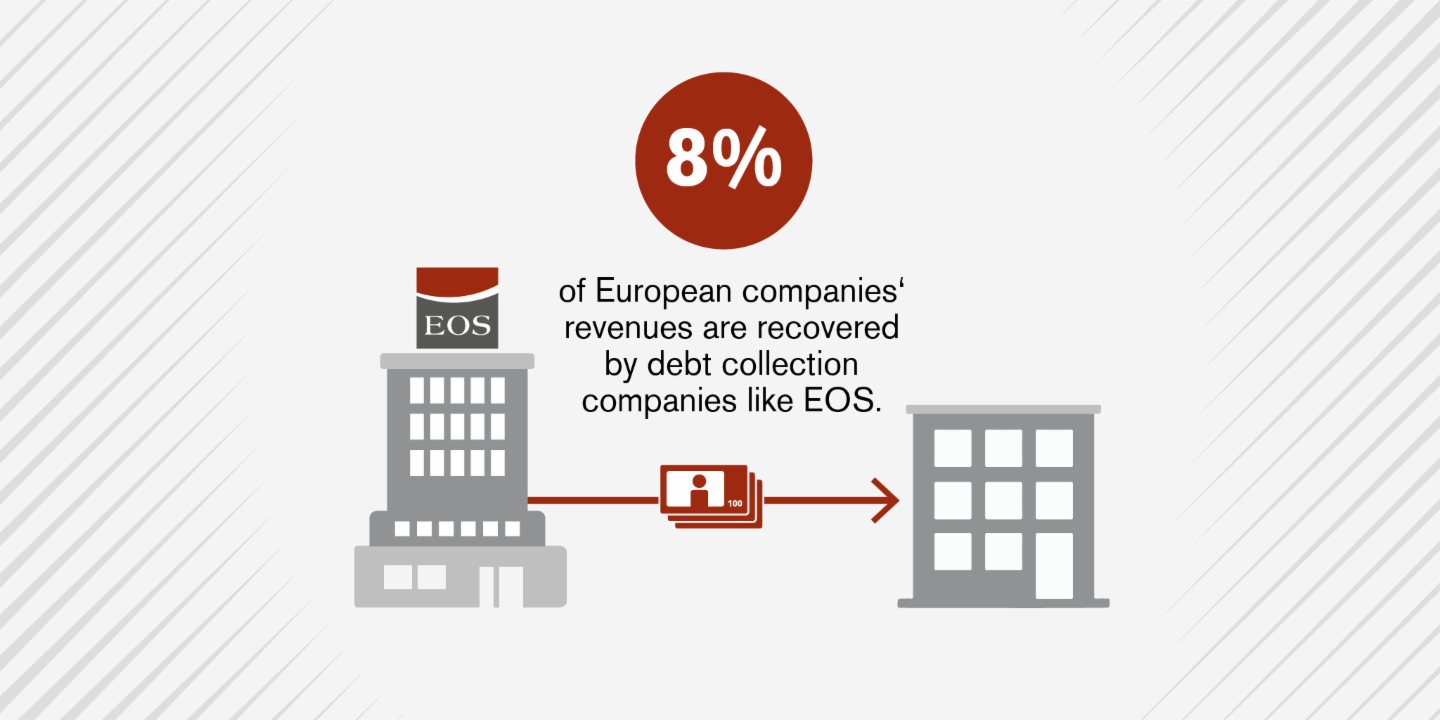
A total of 41% of the European companies polled work regularly with debt collection providers. The percentage of companies relying exclusively on outsourced receivables management is currently 11% (B2B) and 9% (B2C). On average, companies recover about 8% of their revenue by working with receivables management service providers (Eastern Europe 9%, Western Europe 7%).
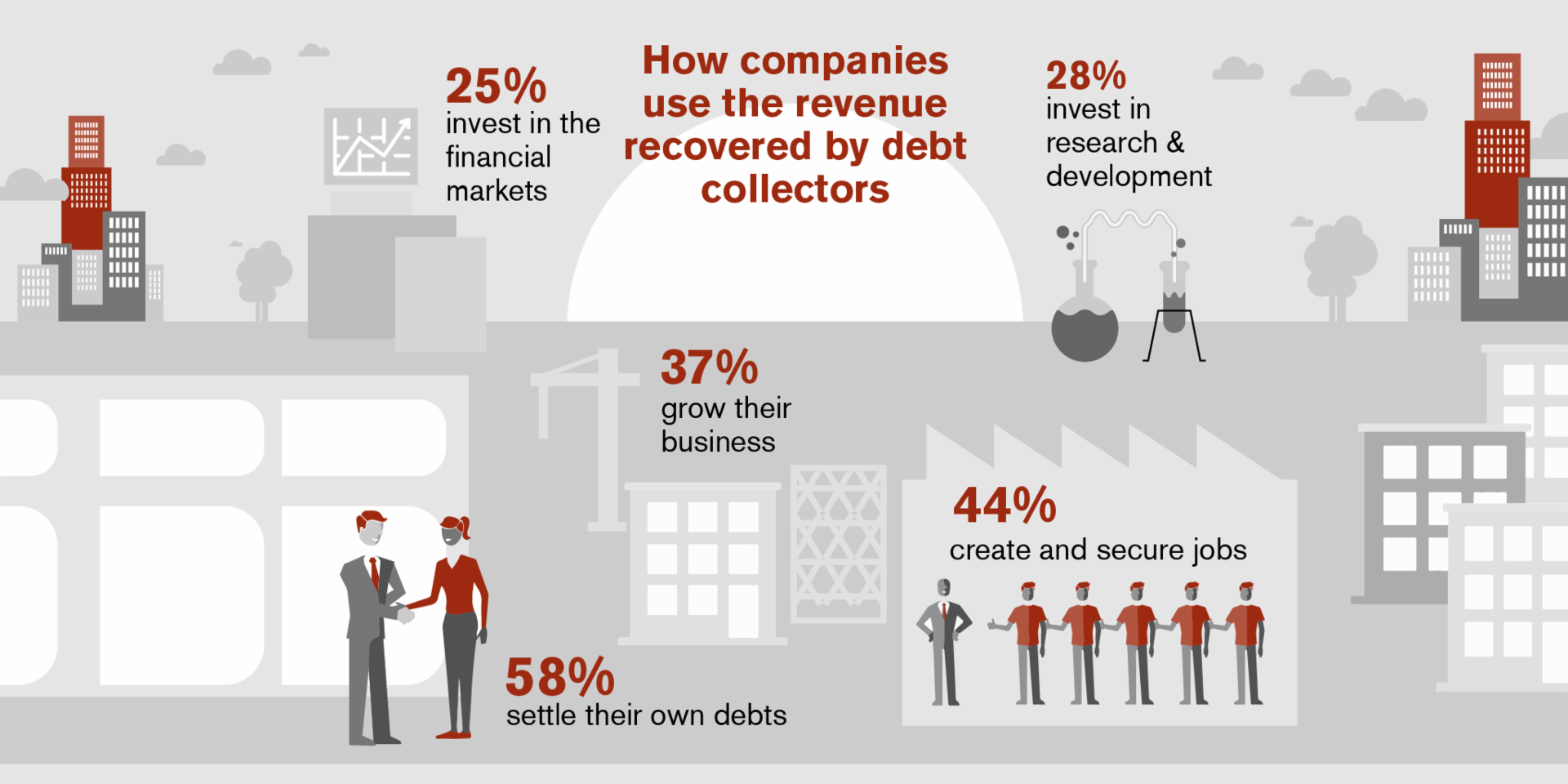
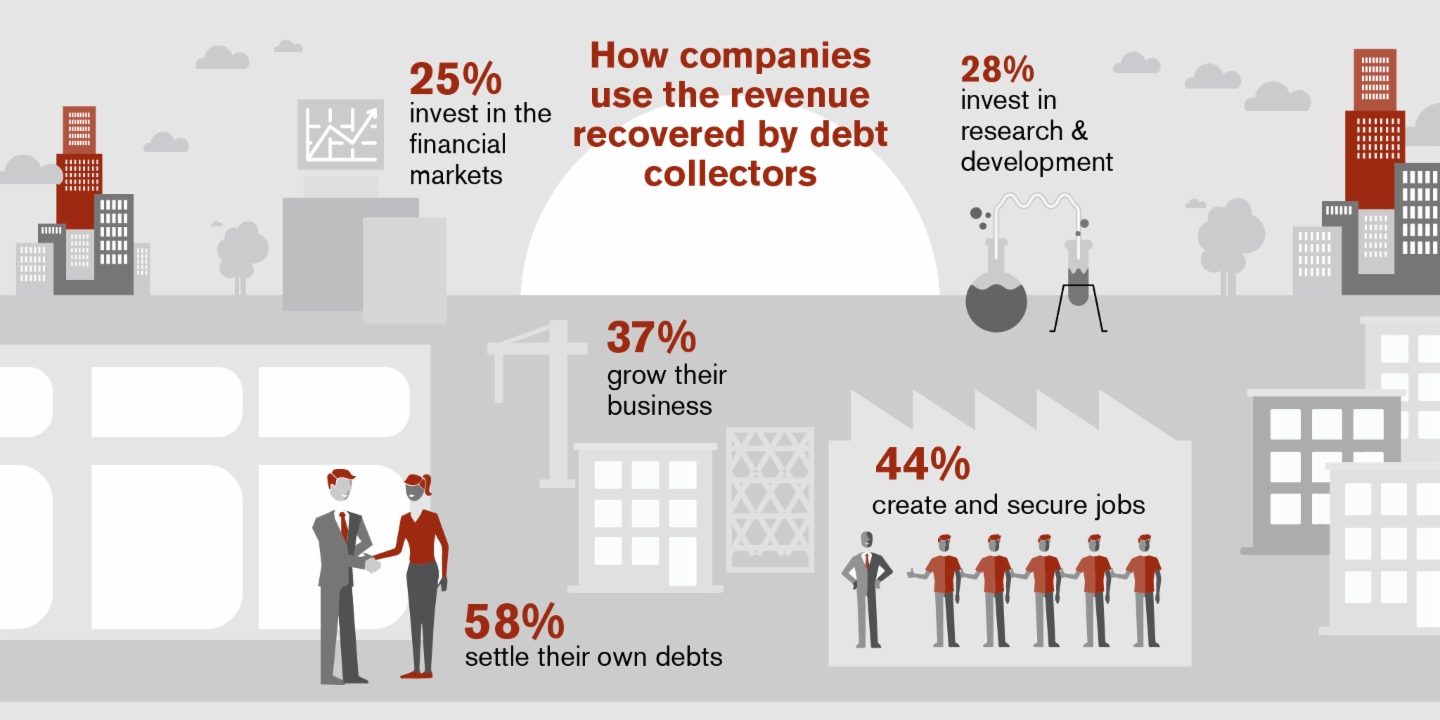
The financial resources that become available to the company again through working with receivables management service providers primarily go towards settling their own debts and therefore targets the main reason for payment delays, i.e. payment defaults by a company's own customers.
The EOS Banking AI Barometer explores acceptance of AI in banking: 46% report better communication and 61% want proactive AI alerts. Discover the findings.
Starting September 2026, the Meta Kaasch Foundation and finlit foundation are equipping all 457 Berlin primary schools with free financial education materials.
EOS Consolidated is bolstering its market position in Eastern Europe with a slight increase in revenue and the acquisition of major portfolios. Carsten Tidow looks back on fiscal year 2025/26.